The Beautiful, Dangerous World of Mr. Ripley
The beautiful clothes. The Italian coast. The privilege of belonging to a world that seems just beyond reach. But what happens when admiring someone else's life becomes something far more dangerous?
There are books that transport us somewhere beautiful.
And then there are books that make us question everything hiding beneath the beauty.
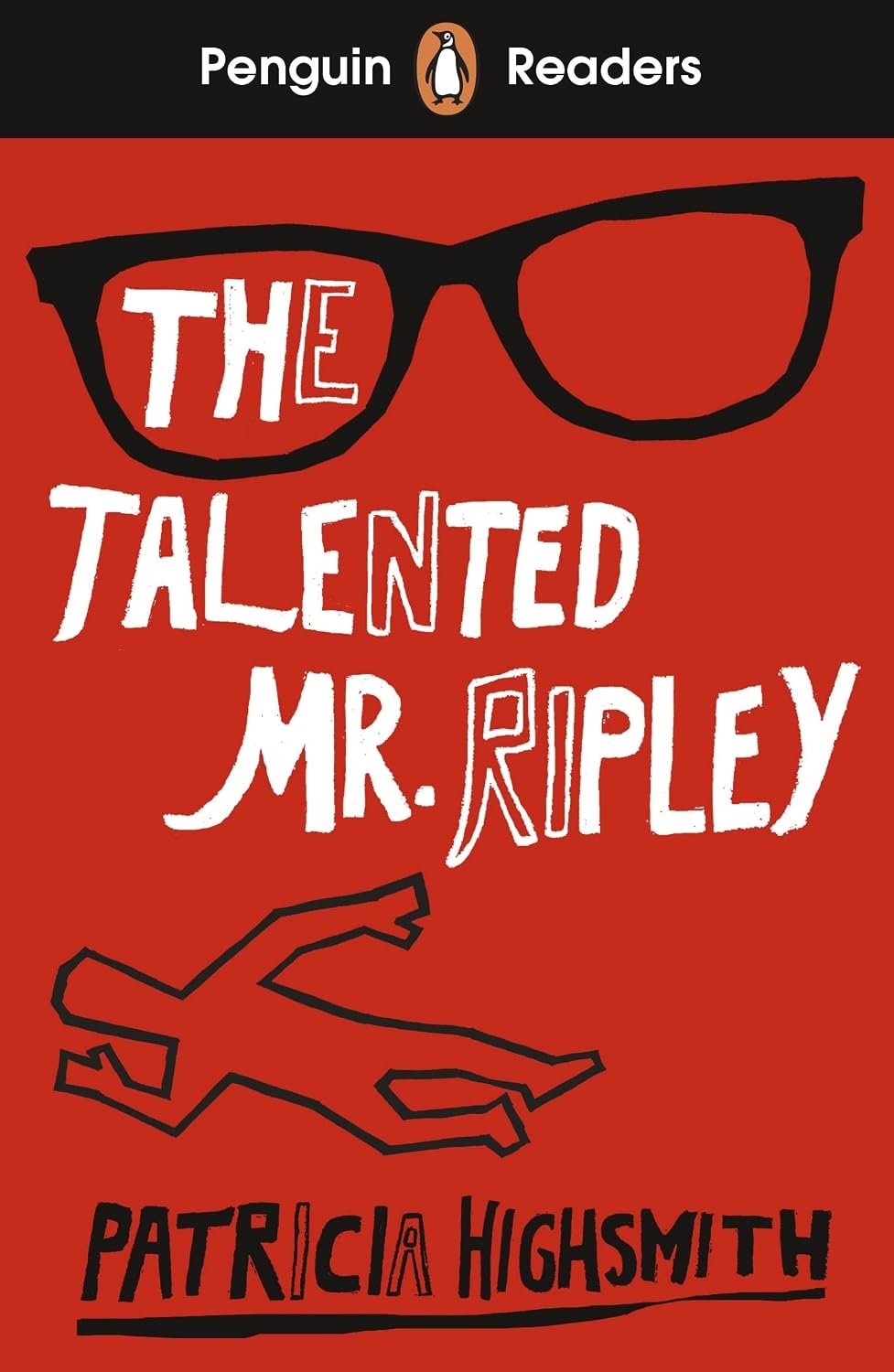
Patricia Highsmith's The Talented Mr. Ripley does both.
From the moment Tom Ripley enters the world of Dickie Greenleaf, we are drawn into a life that seems almost impossibly desirable. There is Italy, the Mediterranean, beautiful clothes, leisurely afternoons, elegant hotels, cafés, travel, and the intoxicating freedom that comes with having enough money to decide that tomorrow can be spent somewhere entirely different from today.
It is easy to understand why Tom is captivated.
Who wouldn't be?
But admiration, in Tom Ripley's world, is never quite as innocent as it first appears.
Tom doesn't simply want to visit Dickie's life.
He wants to belong to it.
And eventually, belonging is no longer enough.
That is where Highsmith transforms what could have been a glamorous story of travel and reinvention into something far more unsettling. Beneath the Italian sunshine lies a story about identity, envy, obsession, and the dangerous lengths someone might go to when the life they desire belongs to somebody else.
Perhaps that is what makes Tom Ripley such a fascinating character.
He is an outsider looking through the window at a world he desperately wants to enter. He studies the people who belong there. He notices how they dress, how they speak, where they travel, and how effortlessly they seem to move through life.
And somewhere along the way, observation becomes imitation.
Imitation becomes obsession.
And obsession becomes something much darker.
Yet beneath the suspense is a question that feels surprisingly modern: How much of our lives are spent wanting what someone else has?
Long before social media allowed us to peer endlessly into the homes, vacations, wardrobes, relationships, and accomplishments of strangers, Highsmith understood the seductive power of comparison. There will always be someone whose life appears more glamorous, more exciting, more successful, or simply more beautiful than our own.
The danger begins when admiration turns into dissatisfaction with ourselves.
Tom Ripley is, of course, an extreme and deeply disturbing example. But the emotion at the beginning of his journey is one many of us can recognize. The feeling of standing outside a world we wish we belonged to. The belief that if we could only have the right clothes, the right address, the right friends, or the right life, we might finally become someone worth being.
But perhaps the most interesting thing about The Talented Mr. Ripley is that it quietly asks whether the life we envy is ever truly as perfect as it appears.
Dickie's world is beautiful, certainly.
But beauty does not necessarily mean happiness.
Privilege does not guarantee fulfillment.
And belonging to the right world does not mean we know who we are within it.
That may be the real tragedy of Tom Ripley.
For all his extraordinary ability to become someone else, he never seems comfortable simply being himself.
There is something almost haunting about that idea.
We live in a time when reinvention is celebrated. We change careers. We move cities. We transform our homes, our wardrobes, and sometimes our entire lives. There can be tremendous beauty in deciding that we want something different and having the courage to pursue it.
But reinvention and erasure are not the same thing.
There is a difference between becoming the person we were always meant to be and believing we must become someone else entirely in order to deserve a beautiful life.
Highsmith understood that distinction brilliantly.
Perhaps that is why The Talented Mr. Ripley remains so compelling. We come for the suspense and stay for the psychology. We are seduced by the Mediterranean scenery and then made increasingly uncomfortable by what unfolds beneath it.
The sunshine becomes sinister.
The beautiful clothes begin to feel like costumes.
The glamorous life begins to feel like a performance.
And the person we thought was simply trying to find his place in the world becomes someone capable of almost anything to keep it.
The novel leaves us with an unsettling thought.
What if the life we spend so much time envying isn't the life we actually need?
Perhaps the goal was never to become someone else.
Perhaps it was to create a life so completely our own that we no longer need to look across the room—or across the Mediterranean—and wish we were living somebody else's.
Because the most beautiful life isn't the one we manage to imitate perfectly.
It's the one in which we finally feel at home being ourselves.