Melanin is not Sunscreen
Healthy skin isn't defined by its shade—it's protected by the habits we practice every day.
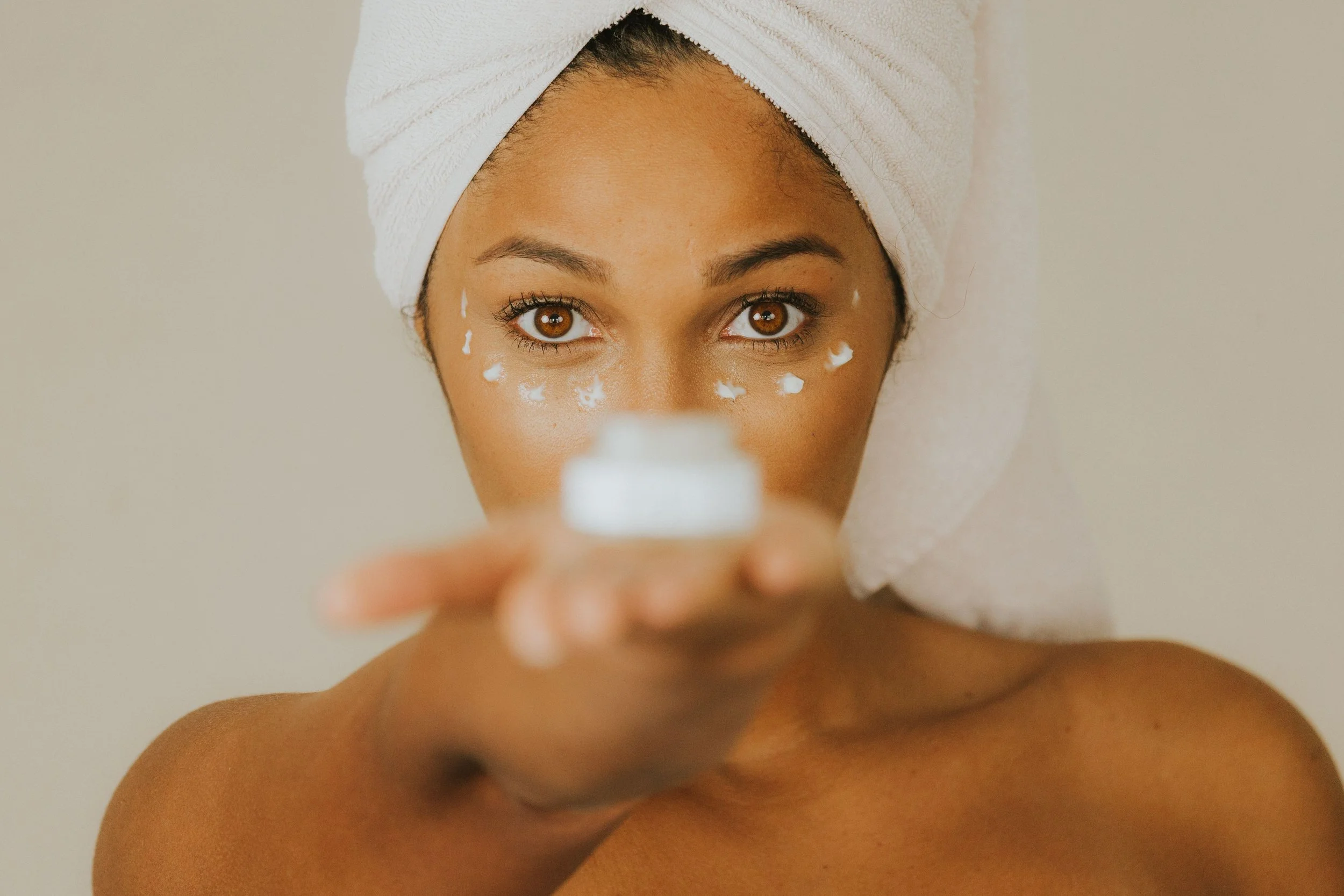
Every complexion deserves the same care, the same protection, and the same chance to age beautifully.
For years, one of the most persistent myths about sunscreen was that people with darker or more melanated skin simply didn't need it. If you rarely burned, tanned easily, or had a naturally deeper complexion, sunscreen could seem like something intended for someone else.
But melanin is not sunscreen. The truth is that sun protection belongs to everyone.
Whether your complexion is porcelain, olive, golden, caramel, brown, or beautifully deep, ultraviolet rays can affect your skin. Melanin does provide some natural protection, which is one reason people with darker skin tend to have a lower overall risk of certain skin cancers than people with lighter skin. But natural protection is not complete protection, and skin cancer can occur across skin tones and ethnic backgrounds.
That distinction matters, because believing we are somehow exempt from risk can sometimes prevent us from paying attention to our skin in the first place.
For people with more melanated complexions, sunscreen can also play an important role in managing something many of us know all too well: hyperpigmentation. Dark spots and uneven pigmentation can be persistent, and exposure to sunlight—and, in some cases, visible light—can make pigmentation concerns more difficult to manage. We can invest in carefully chosen serums and treatments to create a more even complexion, but sun protection remains an important part of protecting those results.
Perhaps that is why we need to change the way we think about sunscreen altogether.
It isn't a product reserved for the beach. It isn't something we reach for only during summer vacations or particularly sunny afternoons. Sunscreen is part of caring for our skin—just like cleansing, moisturizing, hydrating, and all the other rituals we practice because we want our skin to remain healthy and beautiful as the years pass.
And thankfully, sunscreen itself has come a long way.
For too long, many traditional formulas left an unflattering white or gray cast on deeper complexions, making sunscreen feel like a beauty product that hadn't been designed with everyone in mind. Today, there are far more options, including sheer and tinted formulas that work beautifully across a wider range of skin tones. For those concerned about hyperpigmentation, tinted sunscreens containing iron oxides can provide additional protection against visible light, which can contribute to skin darkening in deeper skin tones.
The American Academy of Dermatology recommends choosing a sunscreen with an SPF of at least 30, while broader sun protection also includes seeking shade and using protective clothing when appropriate. Sunscreen is one important part of the picture, not the entire picture.
There is also something larger at stake than maintaining an even complexion or preserving our glow. Anyone can develop skin cancer. Although the risks vary considerably according to skin tone and other individual factors, having darker skin does not make someone immune to skin cancer or sun damage. Paying attention to changes in our skin and seeking medical advice when something looks unusual should be part of caring for ourselves, regardless of the complexion looking back at us in the mirror.
Ultimately, sunscreen isn't about fear.
It's about care.
We protect the things we value. We moisturize our skin because we want it to remain soft. We drink water because we want our bodies to stay hydrated. We invest in beautiful serums and creams because we hope to maintain the radiance we've worked so carefully to cultivate.
Our skin deserves protection, too.
So whether you're Black, white, Asian, Latino, Indigenous, Middle Eastern, multiracial—or you simply identify as wonderfully and uniquely yourself—the message is the same: learn about your skin, understand your individual risks, and give it the protection it deserves.
Because no matter our heritage, ethnicity, or shade, we all live beneath the same sun.
And every shade deserves to be cared for.